
Periodontist
BOARD CERTIFIED
Our board-certified periodontist specializes in preventing, diagnosing, and treating periodontal diseases. This chronic inflammatory disease, sometimes called gum disease, produces gum infections and affects the bone structure that supports the surrounding teeth. Periodontists receive an additional three years of education after dental school and comprehensive training in dental implant placement.
If you have periodontal disease, you’re certainly not alone. Over half of American adults age 30 and older have some form of periodontal disease.
Benefits of Periodontal Treatment
- Eliminate mouth odors and loose teeth
- Improve your oral hygiene
- Reduce bone loss around your teeth and loss of teeth
Early Detection And Proactive Management Are Essential In Effectively Treating Periodontal Disease And Preventing Complications Like Tooth Loss Or Systemic Health Issues.
What Is Periodontal Disease?
Periodontal disease, also known as periodontitis, is a serious gum infection that damages the soft tissue and destroys the bone supporting the teeth. It starts with bacterial growth in the mouth and can lead to tooth loss if not treated promptly.

Periodontal Disease Symptoms

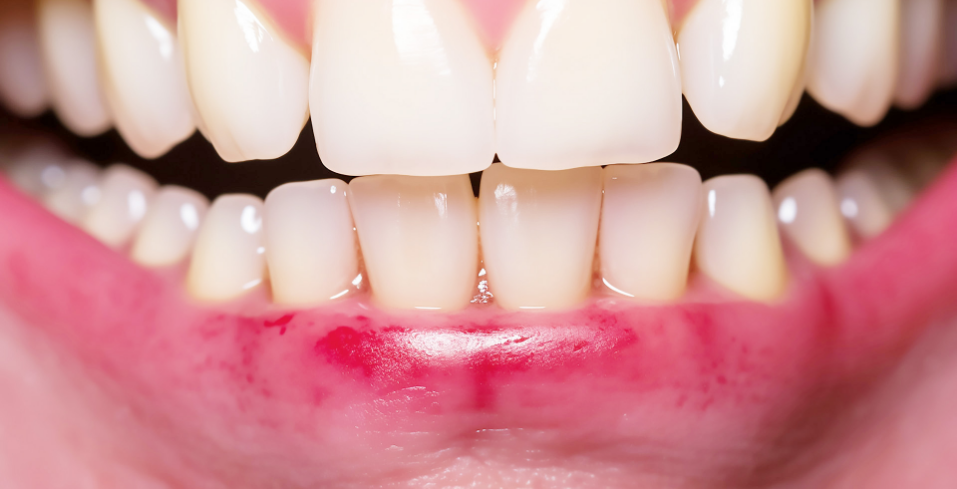
Swollen Or Tender Gums
Bleeding Gums During Brushing Or Flossing
Persistent Bad Breath
Receding Gums
Loose Teeth
Changes In The Way Teeth Fit Together When Biting
Referral By Your Dentist
Many dentists on Long Island will refer their patients to Shine Dental Group for their more challenging periodontal and implant cases. There is no reason to be alarmed if your dentist refers you to our periodontists. You should feel comfortable knowing your general dentist wants you to receive the best care possible. After completing thousands of procedures, our periodontists’ specialized skillset, knowledge, and experience lead to perfect results.
We treat cases ranging from mild gingivitis to more severe periodontitis. We offer a wide range of treatments, such as scaling and root planing (removing the plaque and tartar above and below the gum line), root surface debridement (the removal of calculus, plaque, and tartar build-up along the root surface), regenerative procedures (involving multiple aspects including the control of infection and inflammation), oral inflammation treatment, and cosmetic periodontal procedures.
Periodontist Perform Dental Implants
Free Denture Consultation

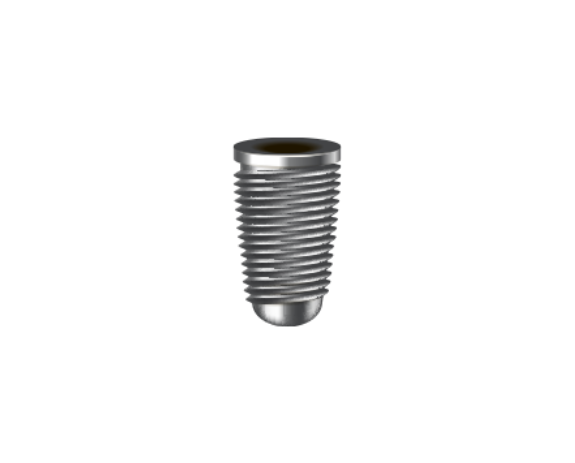
Implant
A screw that serves as a root
for your new teeth. This is
what permanently attaches
to your jaw.

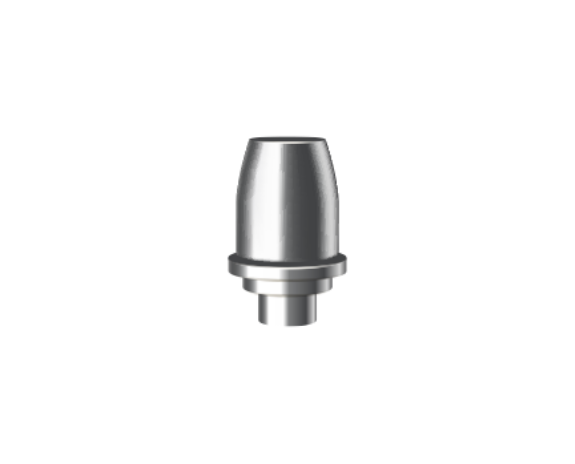
Abutment
A permanent, but removable
by your doctor, connector that
supports and holds a tooth or
set of teeth.

Restoration
This is the part of the tooth that you can see. It’s usually made of zirconium or porcelain for durability and good looks.
What To Expect From Your Periodontal Visit
Our periodontist will review your complete medical and dental histories. It’s important to know if you’re taking any medications or ongoing medical treatments for any condition that can affect your periodontal care, such as heart disease, diabetes, or pregnancy.
We then examine your gums for any gum line recession, assess how your teeth come into contact with each other when biting, and check for any loose teeth. We then evaluate the health of your gums by placing a small measuring instrument called a gum probe, or periodontal probe, to measure gently and precisely the spaces between your teeth and gums, called periodontal pockets. X-rays may also be necessary to observe the health of the bone supporting your teeth.
We provide plenty of options and plans for a successful periodontal experience. With sedation and anesthetic options available, the procedure can be painless. Don’t delay your oral health; your smile will thank you. Call us today at (516) 348-8500.

Non-Surgical Procedures
Priodontal Maintenance
smile more for less

Periodontal maintenance is ongoing professional care designed to help control gum disease after active periodontal treatment has been completed. Because periodontal disease can return or progress without continued care, regular maintenance is an important part of protecting the gums, bone, and teeth over time.
How Is Periodontal Maintenance Different From a Regular Cleaning?
A routine dental cleaning is primarily preventive care for patients with generally healthy gums. Periodontal maintenance is intended for patients who have been diagnosed and treated for periodontal disease.
During a periodontal maintenance visit, the dentist or hygienist evaluates the gums and periodontal pockets and removes plaque and tartar from areas above and below the gumline as needed.
How Often Is Periodontal Maintenance Needed?
The recommended interval depends on your periodontal health and risk factors. Many patients are scheduled for maintenance more frequently than routine preventive cleanings, often every three to four months, although your individual schedule may vary.
Regular periodontal maintenance can help monitor gum health, control bacterial buildup, and identify areas that may need additional treatment.
At Shine Dental Associates in Syosset, our periodontist will recommend a maintenance schedule based on your periodontal condition and treatment history.
Call (516) 348-8500 or fill out our online appointment request form to schedule your periodontal maintenance visit.

Occlusal Guard
smile more for less

An occlusal guard, also called a night guard or bite splint, is a custom appliance worn over the teeth to help protect them from excessive forces caused by grinding or clenching.
Why Might a Periodontist Recommend an Occlusal Guard?
Grinding and clenching can place additional stress on the teeth and the tissues that support them. For patients with periodontal disease, reduced bone support, tooth mobility, or an uneven bite, controlling excessive biting forces may be an important part of the overall treatment plan.
An occlusal guard may help protect the teeth and reduce the effects of nighttime grinding or clenching while other periodontal or bite-related concerns are being managed.
Is an Occlusal Guard Right for Me?
Not everyone who grinds or clenches their teeth needs the same type of appliance. Our dentist or periodontist will evaluate your bite, tooth wear, periodontal health, and symptoms before recommending treatment.
For more information about custom appliances for grinding and clenching, visit our Night Guards page.
Call (516) 348-8500 or fill out our online appointment request form to schedule an evaluation at Shine Dental Associates in Syosset.
Surgical Periodontal Services
Our surgical options include implants, gum contouring, bone grafting, sinus lifts, ridge augmentation, extractions, and more.
Tooth loss and gum disease can impact your health and confidence. Call us today at (516) 348-8500 to schedule your evaluation with our Periodontist at Shine Dental Associates for a personalized treatment plan to restore your smile.
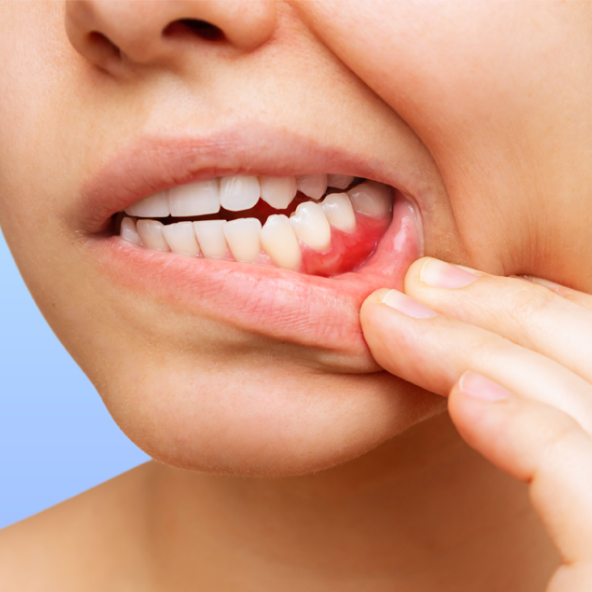
Don’t endure swollen gums or bad breath. We’ll evaluate your mouth, check gum pockets for infection, and start treatment right away.
Regular periodontal maintenance is essential for oral health—routine cleanings prevent disease and keep your smile bright.
Extractions & Bone Grafting
smile more for less

Sometimes a tooth cannot be predictably restored because of severe decay, infection, trauma, advanced periodontal disease, or significant damage to the supporting structures. When saving the tooth is no longer a good option, extraction may be recommended to protect your oral health.
At Shine Dental Associates in Syosset, the area is carefully evaluated before treatment. After the tooth is removed, the extraction site is cleaned and assessed to determine whether bone grafting would be beneficial.
Bone grafting may be recommended at the time of extraction to help preserve the shape and volume of the jawbone as the area heals. This can be particularly important when a dental implant may be considered in the future.
Not every extraction requires a bone graft. Your dentist or periodontist will evaluate the condition of the tooth, surrounding bone, and your long-term treatment plan before recommending the appropriate approach.
Call (516) 348-8500 or fill out our online appointment request form to schedule an evaluation.

Soft Tissue Grafts For Orthodontics
smile more for less
Gum disease can cause your gums to bleed and become infected, swollen or tender. As a result, the infected gum starts to separate from the teeth and a pocket develops. If left untreated, this infection can spread to the bone and cause bone loss. Furthermore, this infection can not only result in losing your teeth, but can also spread to the rest of your body. Periodontal disease has been associated with heart disease, diabetes, premature births and a slew of other systemic health problems. Sometimes, deep cleanings and antimicrobial treatment is not enough. More treatment is needed for periodontal health.
Whether you’re an adult or a child that want braces, the gums have to be healthy in order to move teeth. If the gums are not healthy, there is a greater likely hood that the teeth may exhibit periodontal disease or bone loss and may need to come out during orthodontic movement. Similarly, before moving teeth, you must make sure you have adequate thick tissue in your mouth before moving teeth otherwise recession of your gum tissue may occur. Soft tissue graft can be harvested and placed in the areas where you don’t have enough thick tissue. Once healing is complete and thick tissue is obtained, orthodontic treatment can occur. Minimal discomfort and swelling occurs. Start smiling with confidence again.
While most procedures are done with just local anesthetics, nitrous oxide (laughing gas) and sedation is always available for anxious patients. All procedures are done by our board certified periodontist. Our dentist in our state of the art facility always uses the most advanced technology including instaneous, comfortable digital X-rays. Each treatment room is equipped with high definition flat screen televisions and with WiFi accessibility to make your experience as comfortable as possible.
Call us now (516) 348-8500 it will be our pleasure to answer any questions or concerns.
Orthodontic Mini Screws
smile more for less
Are your teeth taking forever to move during braces? Sometimes additional forces are needed to move your teeth in the desired position. Whether it be intrusion, extrusion, and bring teeth forward or back, orthodontic mini screws may be the answer.
Orthodontic mini screws are a great advent to orthodontics. With the orthodontist recommendation, we plan where we need to put the mini screws. We numb you up the same way you would get a filling. The mini screws are gently placed within minutes. Minimal discomfort and minimal swelling occurs. Get your teeth moved in a timely manner! After treatment is complete, removal of the Ortho mini screw is gently removed.
While most procedures are done with just local anesthetics, nitrous oxide (laughing gas) and sedation is always available for anxious patients. All procedures are done by our board certified periodontist. Our dentist in our state of the art facility always uses the most advanced technology including instaneous, comfortable digital X-rays. Each treatment room is equipped with high definition flat screen televisions and with WiFi accessibility to make your experience as comfortable as possible.
Call us now (516) 348-8500 it will be our pleasure to answer any questions or concerns.

Meet Our Periodontists
Our board-certified periodontists specialize in preventing, diagnosing, and treating periodontal diseases. This chronic inflammatory disease, sometimes called gum disease, produces gum infections and affects the bone structure that supports the surrounding teeth. Periodontists receive an additional three years of education after dental school and comprehensive training in the placement of dental implants.


IV & Sedation Dentistry
No need to fear
Shine Dental Associates offers IV Sedation. Get your treatment done within one visit in a relaxed and comfortable environment. Shine Dental Associates is here to ease your fear.
No money down
Flexible Payments
95% Approval Rate
0%
Financing*
*Some restrictions apply. Subject to credit approval.
- oogle reviews
FAQs - Periodontist
A periodontist specializes in preventing, diagnosing, and treating gum disease and other conditions affecting the soft tissues and bones that support your teeth. They are also experts in dental implants and gum-related cosmetic procedures.
You should see a periodontist if you have persistent gum inflammation, bleeding gums, receding gums, loose teeth, or if your general dentist recommends it due to advanced gum disease or complex dental implant needs.
While general dentists provide a wide range of oral care, periodontists focus specifically on the health of the gums and supporting structures of the teeth. They receive additional training to treat severe gum disease, perform gum grafting, and place dental implants.
Periodontists offer treatments such as scaling and root planing, gum grafting, periodontal surgery, dental implants, and treatment for advanced gum disease, such as guided tissue regeneration.
Signs of gum disease include red, swollen, or bleeding gums, persistent bad breath, receding gums, and loose teeth. If you experience any of these symptoms, it’s important to consult a periodontist for an evaluation.
Yes, periodontists are highly skilled in placing dental implants and managing the soft tissue and bone structures around them. They ensure that the implants are properly integrated into your jaw for a stable, long-lasting result.
During your first visit, the periodontist will review your dental and medical history, examine your gums, and may take X-rays to assess the health of the underlying bone. They will discuss your diagnosis and recommend a personalized treatment plan.
Most periodontal treatments are performed under local anesthesia, making the procedures comfortable. Some treatments may cause mild discomfort afterward, but your periodontist will provide instructions for managing any pain or swelling.
In its early stages, gum disease (gingivitis) can often be reversed with proper oral hygiene and professional cleaning. Advanced gum disease (periodontitis) can be managed with treatment, but it may require ongoing care to prevent further damage.
Prevent gum disease by practicing good oral hygiene, including brushing twice a day, flossing daily, and visiting your dentist regularly for check-ups and cleanings. Avoid smoking and maintain a healthy diet to support gum health.
WHERE YOU MAY HAVE SEEN US


ASSOCIATED & ACCREDITED