One of the most common questions patients ask during an implant consultation is whether they’ll need a bone graft first. The answer depends on the amount of healthy jawbone available to support a dental implant.
For patients considering a bone graft before a dental implant in Syosset, NY, understanding why bone grafting is sometimes recommended can help make the treatment process feel much less intimidating.
Why Is Jawbone Important for Dental Implants?
Dental implants are placed directly into the jawbone, where they function similarly to natural tooth roots. A healthy amount of bone helps provide the stability implants need for long-term success.
If too much bone has been lost after a tooth is extracted or missing for an extended period, additional bone support may be recommended before implant placement.
What Causes Bone Loss?
After a tooth is lost, the jawbone no longer receives stimulation from the tooth root. Over time, the body naturally begins to resorb bone in that area.
The longer a tooth remains missing, the greater the chance that bone volume may decrease.
Does Everyone Need a Bone Graft?
No. Many patients have enough healthy bone to receive dental implants without additional procedures.
However, patients who have experienced significant bone loss, gum disease, trauma, or long-term tooth loss may benefit from bone grafting before implant placement.
What Is a Bone Graft?
A bone graft is a procedure that adds bone material to areas where additional support is needed. Over time, the graft integrates with your natural bone, creating a stronger foundation for future dental implants.
Will a Bone Graft Delay Treatment?
Depending on the amount of grafting needed, healing time may be recommended before implant placement. Although this may add time to treatment, creating a stable foundation can improve long-term implant success.
How Do You Know If You Need One?
Advanced digital imaging allows your dentist to evaluate the amount and quality of your jawbone during your consultation.
Based on these images, a personalized treatment plan can determine whether a bone graft is recommended.
Schedule an Implant Consultation in Syosset
If you’re considering dental implants, a consultation can determine whether your jawbone is ready for implant placement or if a bone graft may help create a stronger foundation. The team at Shine Dental Associates will explain your options and create a personalized treatment plan.
Shine Dental Associates
400 Jericho Turnpike, Syosset, NY 11791
Phone: 516-348-8500
Related Services
To learn more about dental implants and procedures that may be recommended before implant placement, visit the American Academy of Periodontology’s Dental Implant Procedures .
Frequently Asked Questions
Does everyone need a bone graft before getting dental implants?
No. Many patients have enough healthy jawbone to support dental implants without bone grafting. A consultation and digital imaging can determine whether additional bone support is needed.
Why would I need a bone graft?
A bone graft may be recommended if there is not enough healthy jawbone to securely support a dental implant due to tooth loss, gum disease, or previous trauma.
Is a bone graft painful?
Most patients report only mild to moderate discomfort after bone grafting, which can usually be managed with medication and post-operative instructions.
Can I get dental implants without enough bone?
In some situations, yes. Depending on your individual case, bone grafting or other treatment options may help create sufficient support for dental implants.
How long does a bone graft take to heal?
Healing time varies depending on the type and size of the graft. Your dentist will recommend an appropriate timeline before implant placement if additional healing is needed.
Many people are surprised to learn that a missing tooth can affect more than just their smile. When a tooth is lost and not replaced, the jawbone underneath may begin to shrink over time.
For patients with missing teeth in Syosset, NY, understanding how tooth loss affects the jawbone can help them make informed decisions about treatment and long-term oral health.
Why Does Bone Loss Happen After Tooth Loss?
Your jawbone relies on stimulation from the roots of your teeth. Every time you chew, bite, or speak, those forces are transmitted through the tooth roots into the surrounding bone.
When a tooth is removed or lost, that stimulation disappears. As a result, the body may begin to resorb, or break down, the unused bone in that area.
How Quickly Can Bone Loss Occur?
Bone loss can begin within the first few months after a tooth is lost. While the rate varies from person to person, significant changes in bone volume may occur during the first year.
Because of this, delaying tooth replacement can sometimes make future treatment more complicated.
What Problems Can Bone Loss Cause?
Jawbone loss may affect more than the area where the tooth is missing. Potential consequences include:
- Changes in facial appearance
- Shifting of neighboring teeth
- Difficulty chewing
- Changes in bite alignment
- Reduced support for future tooth replacement options
Over time, these changes may impact both function and appearance.
Do Dentures Prevent Bone Loss?
Traditional dentures can restore appearance and chewing ability, but they typically do not provide the same stimulation to the jawbone that natural tooth roots once provided.
This is one reason why some denture wearers experience changes in fit over time.
How Dental Implants Help Preserve Bone
Dental implants are placed in the jawbone and function similarly to natural tooth roots. Because implants transfer chewing forces into the bone, they may help maintain bone stimulation in the area.
For many patients, this makes implants an attractive option when replacing missing teeth.
What If Bone Loss Has Already Occurred?
Even if bone loss has already begun, treatment options may still be available. Depending on the situation, procedures such as bone grafting may help create a foundation for future implant placement.
A comprehensive evaluation can help determine which options may be appropriate.
Schedule an Implant Consultation in Syosset
If you have a missing tooth or are considering your tooth replacement options, an evaluation can help you understand the condition of your jawbone and discuss possible solutions.
Schedule an Implant Consultation
Missing a tooth? Learn how tooth loss may affect your jawbone and explore your replacement options with the team at Shine Dental Associates.
Shine Dental Associates
400 Jericho Turnpike, Syosset, NY 11791
Phone: 516-348-8500
Frequently Asked Questions
Does every missing tooth cause bone loss?
Bone loss commonly occurs after tooth loss because the jawbone no longer receives stimulation from the tooth root. The amount and rate of bone loss can vary from person to person.
How can dental implants help prevent bone loss?
Dental implants function similarly to natural tooth roots and help stimulate the jawbone during chewing. This stimulation may help preserve bone in the area where the implant is placed.
Is it too late to get a dental implant if I’ve had a missing tooth for years?
Not necessarily. Many patients remain candidates for dental implants even after long-term tooth loss. Depending on the amount of bone available, additional procedures such as bone grafting may sometimes be recommended.
Can dentures stop bone loss?
Traditional dentures can restore function and appearance, but they generally do not provide the same jawbone stimulation as natural tooth roots or dental implants.
How soon should a missing tooth be replaced?
Every situation is different, but replacing a missing tooth sooner rather than later may help preserve jawbone structure and prevent neighboring teeth from shifting. A dental evaluation can help determine the best timing for treatment.
If your dentures move when you eat, speak, or laugh, you are not alone. For many patients, loose dentures in Syosset, NY become more noticeable over time as the mouth changes shape.
However, loose dentures are not something you have to simply live with. Understanding why dentures loosen can help you explore better, more stable options.
Why Do Dentures Get Loose Over Time?
Dentures are designed to fit the gums and jaw as they exist at the time they are made. Over time, those tissues can change, especially after tooth loss.
When teeth are missing, the jawbone no longer receives the same stimulation from chewing. As a result, the bone can gradually shrink or reshape, causing dentures that once fit well to feel loose.
Common Signs Your Dentures No Longer Fit Properly
In many cases, denture fit problems develop gradually. Common signs include:
- Dentures slipping while eating
- Difficulty speaking clearly
- Sore spots on the gums
- Needing more adhesive than before
- Loose lower dentures that move throughout the day
If these issues continue, it may be time to have your dentures evaluated.
Why Lower Dentures Often Feel Less Stable
Lower dentures are especially prone to movement because they have less surface area for suction and must work around the tongue and jaw muscles.
Because of this, many patients find that lower dentures become frustrating even when the upper denture still feels relatively secure.
Do Denture Relines Help?
A denture reline can improve fit by reshaping the inside surface of the denture so it better matches the gums. For some patients, this can provide meaningful short-term improvement.
Still, relines do not stop jawbone changes from continuing. If dentures repeatedly become loose, a more stable option may be worth considering.
Implant Dentures: A More Stable Alternative to Loose Dentures
Implant dentures use dental implants to help support or secure a denture. Depending on the design, they may snap onto implants or be fixed in place by the dentist.
For patients frustrated by unstable dentures, implant dentures in Syosset, NY may offer improved comfort, chewing ability, and confidence.
Snap-in dentures
Snap-in dentures attach to dental implants and can be removed for cleaning. They often provide more stability than traditional dentures.
Fixed implant dentures
Fixed implant dentures, sometimes called permanent dentures, are attached to implants and can only be removed by a dental professional.
Full-arch implant options
For patients missing all teeth in an arch, full-arch implant solutions may provide a more secure alternative to removable dentures.
When Should You Consider Implant Dentures?
You may want to explore implant denture options if your dentures regularly slip, cause sore spots, affect your eating, or make you feel less confident in social situations.
A consultation can help determine whether implants are appropriate based on your oral health, bone support, and goals.
Schedule a Denture Consultation in Syosset
If your dentures feel loose or uncomfortable, an evaluation can help identify the cause and explain your options. Addressing denture fit problems early may help improve comfort and protect your long-term oral health.
Schedule a Denture Consultation
Tired of loose or uncomfortable dentures? Contact Shine Dental Associates
to learn whether implant dentures or another solution may be right for you.
Shine Dental Associates
400 Jericho Turnpike, Syosset, NY 11791
Phone: 516-348-8500
Frequently Asked Questions
Why do dentures get loose over time?
Dentures can become loose as the gums and jawbone change shape after tooth loss. This can affect how well the denture fits.
Can loose dentures be fixed?
In some cases, a denture adjustment or reline may improve the fit. If looseness keeps returning, implant dentures may be a more stable option.
Are implant dentures better than regular dentures?
Implant dentures can provide more stability than traditional dentures, but the right option depends on your oral health, bone support, and treatment goals.
Related Services:
For additional patient education about denture types, visit
Cleveland Clinic’s denture resource
.
516-348-8500
When a tooth needs to be removed, one of the first questions many patients ask is how quickly it can be replaced. In some cases, a dental implant can be placed the very same day a tooth is extracted—helping reduce the time you spend without a tooth.
However, same-day implant placement isn’t right for everyone. It depends on the health of your jawbone, gums, and the condition of the tooth being removed.
What Is Immediate Dental Implant Placement?
Immediate implant placement refers to placing a dental implant directly into the jawbone at the time a tooth is removed. This approach can eliminate the need to wait months for healing before beginning the implant process.
It’s important to understand that while the implant may be placed the same day, the final crown is usually added later—after the bone has had time to integrate with the implant.
Why Would a Dentist Place an Implant Right After an Extraction?
Placing an implant immediately after a tooth is pulled can help preserve the bone and gum tissue around the area. As a result, this may improve the long-term stability and appearance of the final restoration.
This approach may also reduce the number of surgical visits needed to complete treatment.
Who May Qualify for Same-Day Tooth Extraction and Implant Placement?
In general, patients who may qualify for immediate implant placement often have:
- Healthy gum tissue
- Adequate jawbone to support an implant
- No active infection at the extraction site
- Good overall health that supports healing
A detailed evaluation is needed to determine whether this option is safe and appropriate for you.
Benefits of Same-Day Implant Placement
Shorter overall treatment timeline
Placing the implant at the time of extraction can eliminate months of waiting between procedures.
Preservation of bone and gum tissue
Immediate placement may help reduce bone loss that can occur after a tooth is removed.
Fewer surgical visits
Combining extraction and implant placement into one appointment may simplify the treatment process.
What Happens During a Same-Day Implant Consultation?
A consultation focuses on determining the safest and most predictable plan for your situation. Typically, this includes:
Reviewing your dental and medical history
Your dentist evaluates medications, health conditions, and past dental work to identify any factors that could affect healing.
Assessing bone and gum health
Imaging is used to evaluate bone density and anatomy to see whether immediate implant placement is feasible.
Discussing timelines and options
You’ll learn whether a same-day approach is recommended or if a staged treatment plan is more appropriate.
Schedule a Consultation in Syosset
If you need a tooth removed and are considering a dental implant, a consultation can help clarify your options and timeline.
Request a Consultation
Contact Shine Dental Associates to learn whether a same-day dental implant is right for you.
Shine Dental Associates
400 Jericho Turnpike, Syosset, NY 11791
Phone: 516-348-8500
Related Services:
For general patient education about dental implants, visit
MouthHealthy.org’s dental implant resource
,
an American Dental Association–supported site.
Shine Dental Associates | 400 Jericho Turnpike, Syosset, NY 11791 |
516-348-8500
Disclaimer: This content is for informational purposes only and does not constitute medical or dental advice. Individual results may vary. Eligibility for same-day dental implant placement depends on a clinical evaluation. Please schedule a consultation for personalized recommendations.
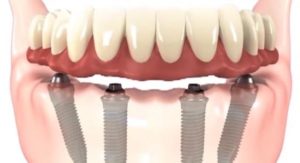 Most of us have childhood memories of false teeth. Whether it is your grandfather’s impressive false teeth collection under the bathroom sink or your grandmother’s dentures, false teeth are part and parcel of our lives.
In fact, your first impression of false teeth would have been laughter; watching your grandparents deal with them. Or else, you may have watched your parents growing old and needing false teeth. No matter what your first experience with false teeth was, you too may require tooth replacement one day in your life.
Many questions come up about dental implants and how they can help you and what they can offer you. At Shine Dental Associates we place and restore implants in our office using our in house dental technicians. Implants are placed by either a general dentist or our in house board certified periodontist. All of your options are reviewed with you and how implants can help you and how it can help you provide options for you if you’re missing teeth.
Are Dental Implants the Best Tooth Replacement Option For You?
Hi, it’s Dr. Eric Weinstein from Shine Dental Associates of the North Shore, located at 400 Jericho Turnpike in Syosset.
Many questions come up about the use of dental implants if you have one tooth that’s missing or you have an accident and you break one tooth, you lose a tooth, a crown fails or a root canal-treated tooth has to be removed, etc.